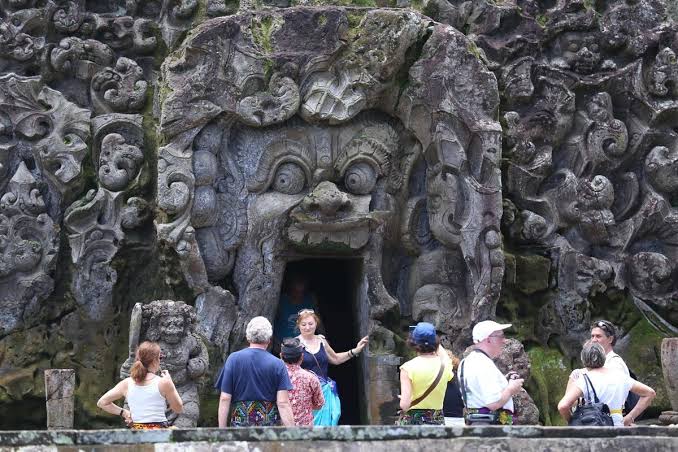
Goa Gajah, also known as the Elephant Cave, is one of Bali's most fascinating archaeological and spiritual sites. Located in Bedulu Village, Gianyar Regency, this ancient sanctuary is famous for its mysterious cave entrance, carved into a giant demon's face. Inside the cave, visitors can find sacred statues of Ganesha, the Hindu god of wisdom, and several meditation niches that were once used by priests.
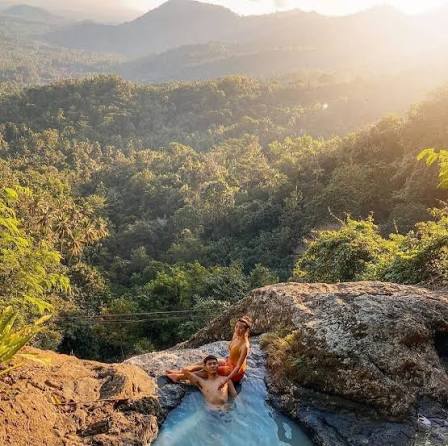
Surrounded by lush tropical gardens, ancient stone relics, and peaceful rice fields, Goa Gajah offers a unique blend of history, culture, and spirituality. The site also features holy bathing pools, tranquil courtyards, and beautiful natural scenery, making it a must-visit destination for those seeking to explore Bali's rich cultural heritage.
Goa Gajah (Elephant Cave) – History
Goa Gajah dates back to the 11th century, during the reign of the Balinese Warmadewa Dynasty. It is believed to have been built as a sacred place for meditation and worship, serving both Hindu and Buddhist communities. This unique combination reflects the religious harmony that existed in ancient Bali.
Despite its name, "Elephant Cave," there is no evidence that elephants ever lived here. The name is thought to have originated from the nearby Petanu River, once known as the Elephant River, or from the statue of Ganesha, the elephant-headed Hindu deity found inside the cave.
The famous bathing pools and fountains were rediscovered in 1954 after being buried for centuries. Today, Goa Gajah is recognized as one of Bali's most important historical and cultural landmarks, attracting visitors from around the world who come to admire its ancient architecture, spiritual significance, and peaceful atmosphere.