Description
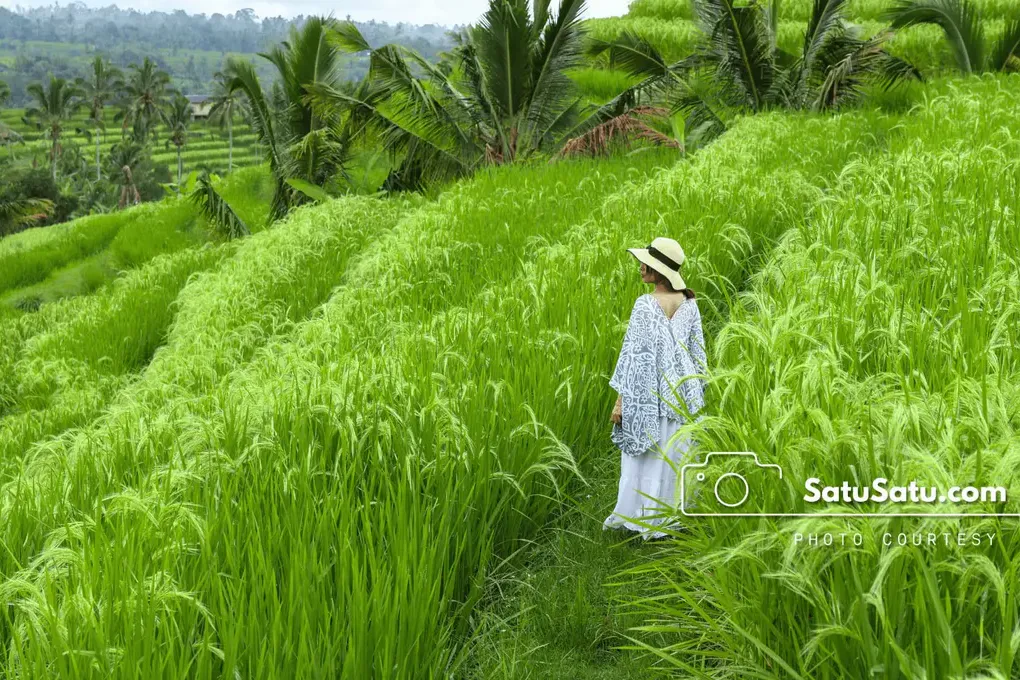
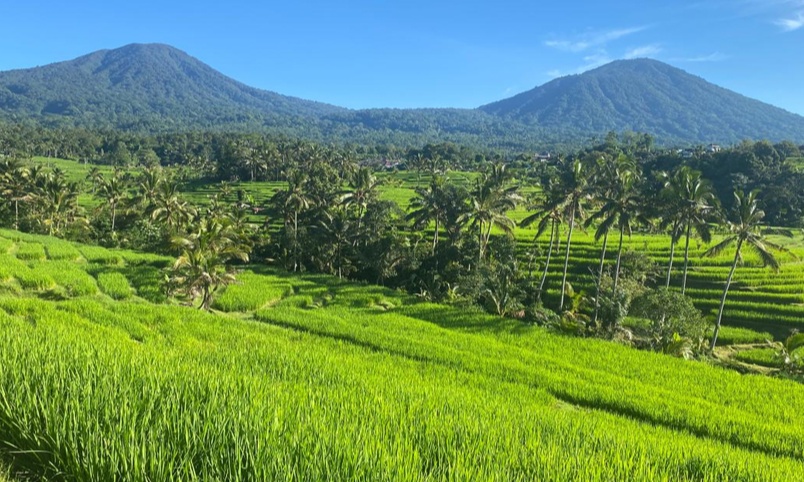
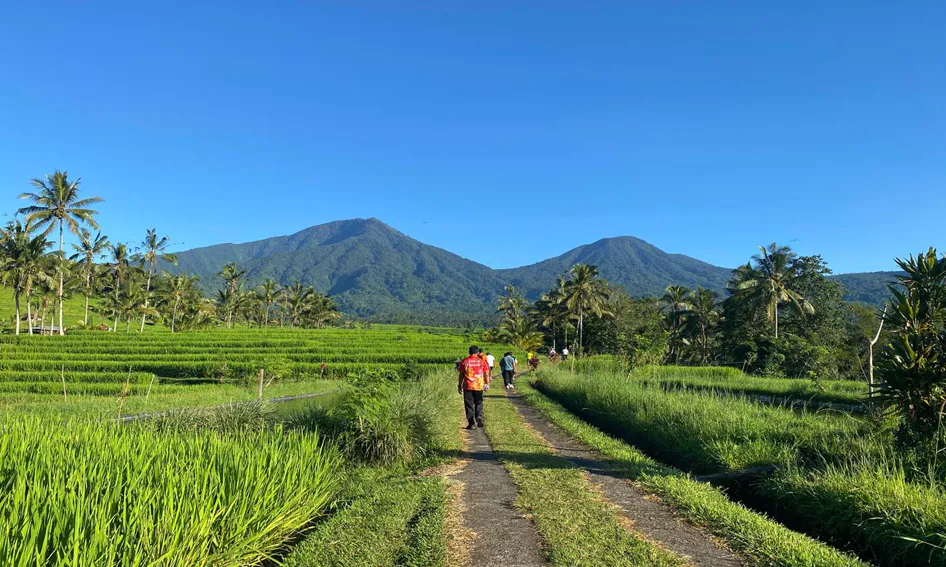
Jatiluwih Rice Terraces is one of Bali's most breathtaking natural and cultural attractions, located in Tabanan Regency on the western slopes of Mount Batukaru. Covering more than 600 hectares of lush green rice fields, Jatiluwih offers spectacular panoramic views of terraced landscapes that stretch across the hills, creating one of the most beautiful rural scenes in Indonesia.
The name "Jatiluwih" comes from two Balinese words: "Jati," meaning genuine or true, and "Luwih," meaning beautiful, extraordinary, or magnificent. Together, the name perfectly describes the area's stunning natural beauty and peaceful atmosphere.
Unlike many other rice terraces in Bali, Jatiluwih remains an active agricultural village where local farmers continue to cultivate rice using traditional methods that have been passed down for generations. Visitors can walk or cycle along scenic trails through the rice fields, observe farmers working in the paddies, and experience the authentic daily life of a Balinese farming community.
The area is also famous for its cool mountain climate, fresh air, and incredible views of Mount Batukaru, making it an ideal destination for nature lovers, photographers, hikers, and anyone seeking a peaceful escape from Bali's busy tourist centers.
One of the most unique aspects of Jatiluwih is its Subak irrigation system, a traditional water management system that reflects the Balinese philosophy of Tri Hita Karana, which emphasizes harmony between humans, nature, and God. This centuries-old system ensures that water is distributed fairly among farmers while maintaining ecological balance and sustainable agriculture.
Because of its outstanding cultural and environmental significance, Jatiluwih Rice Terraces was officially recognized as part of the UNESCO World Heritage Site in 2012 under the title "Cultural Landscape of Bali Province: the Subak System as a Manifestation of the Tri Hita Karana Philosophy."
Today, Jatiluwih is regarded as one of Bali's most iconic destinations, offering visitors not only spectacular scenery but also a deeper understanding of the island's agricultural traditions, cultural heritage, and harmonious relationship with nature.
History
The history of Jatiluwih dates back more than a thousand years and is closely connected to the development of Bali's traditional agricultural civilization. For centuries, the fertile volcanic soil around Mount Batukaru has provided ideal conditions for rice cultivation, allowing local communities to establish sustainable farming practices that continue to thrive today.
The village has long relied on the Subak irrigation system, which is believed to have been developed around the 9th century. Subak is much more than a simple irrigation network; it is a community-based organization that manages water distribution, planting schedules, religious ceremonies, and cooperation among farmers. This democratic system ensures that every farmer receives a fair share of water while preserving the balance of nature.
The Subak system is deeply rooted in the Balinese Hindu philosophy of Tri Hita Karana, which teaches that true prosperity comes from maintaining harmonious relationships between people, the environment, and the divine. This philosophy is reflected in every aspect of farming in Jatiluwih, from water management and temple rituals to communal cooperation during planting and harvesting seasons.
Throughout history, Jatiluwih has remained largely untouched by rapid modernization, allowing its agricultural landscape and cultural traditions to be preserved. The local community continues to protect the rice terraces while maintaining traditional farming methods that have been practiced for generations.
In recognition of its exceptional cultural value, Jatiluwih became part of the UNESCO World Heritage Site on June 29, 2012. This international recognition highlights the importance of preserving Bali's traditional farming culture and the unique Subak system, which has become a global example of sustainable agriculture and community-based resource management.
Today, Jatiluwih is not only one of Bali's most popular tourist destinations but also a living cultural landscape where visitors can witness centuries-old farming traditions, explore stunning rice terraces, and experience the peaceful beauty of Bali's countryside. It stands as a symbol of the island's commitment to preserving its natural environment, cultural identity, and agricultural heritage for future generations.