Bajra Sandhi Monument – Description & History
Description
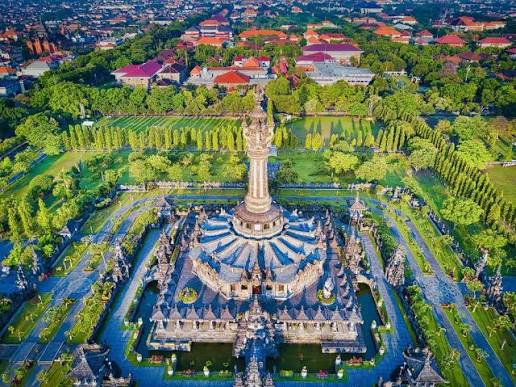
Bajra Sandhi Monument is one of Bali's most iconic landmarks, located in the heart of Denpasar at Renon Square. The monument was built to honor the courage, sacrifices, and resilience of the Balinese people throughout their long history. Its impressive architecture is inspired by the shape of a bajra, a sacred bell used by Hindu priests during religious ceremonies, symbolizing wisdom, harmony, and spirituality.
Standing approximately 45 meters tall, the monument is surrounded by beautiful gardens and open green spaces, making it a popular destination for both locals and tourists. Inside, visitors can explore a museum featuring detailed dioramas that illustrate the history of Bali, from prehistoric times and the arrival of Hinduism to the struggles against colonial rule and Indonesia's journey to independence.
At the top of the monument, an observation deck offers panoramic views of Denpasar City and the surrounding landscape. Bajra Sandhi Monument is not only a place to learn about Bali's rich cultural heritage but also a symbol of the island's enduring spirit and identity.
History
The idea of building Bajra Sandhi Monument was proposed in 1981 as a tribute to the Balinese people's struggle throughout history. The monument was designed by the renowned Balinese architect Ir. Ida Bagus Gede Yadnya, whose vision combined traditional Balinese philosophy with modern architectural design.
Construction officially began in 1987, although the project was completed in several stages over many years. The monument was finally inaugurated on June 14, 2003, by Indonesia's fifth President, Megawati Soekarnoputri.
The monument's name comes from two Sanskrit words: "Bajra," meaning the sacred bell used in Hindu rituals, and "Sandhi," meaning struggle or unity. Together, the name symbolizes the spirit, perseverance, and unity of the Balinese people in defending their homeland and preserving their cultural identity.
Today, Bajra Sandhi Monument serves as both a historical museum and a cultural landmark. Through its 33 detailed dioramas and architectural symbolism, it educates visitors about Bali's history, traditions, and the significant events that shaped the island. It has become one of the most important educational and cultural attractions in Denpasar, attracting visitors who wish to gain a deeper understanding of Bali beyond its beautiful beaches and temples.