Besakih Temple – Description & History
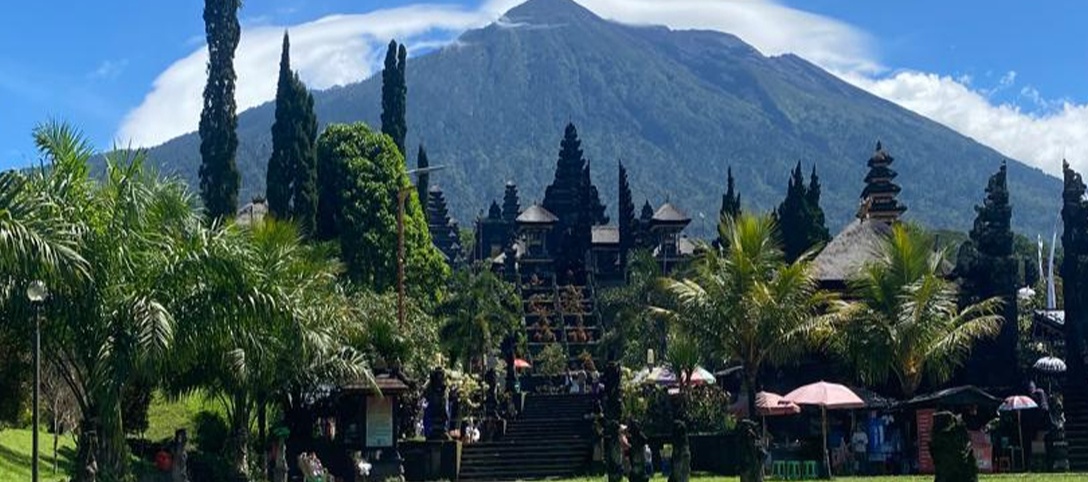
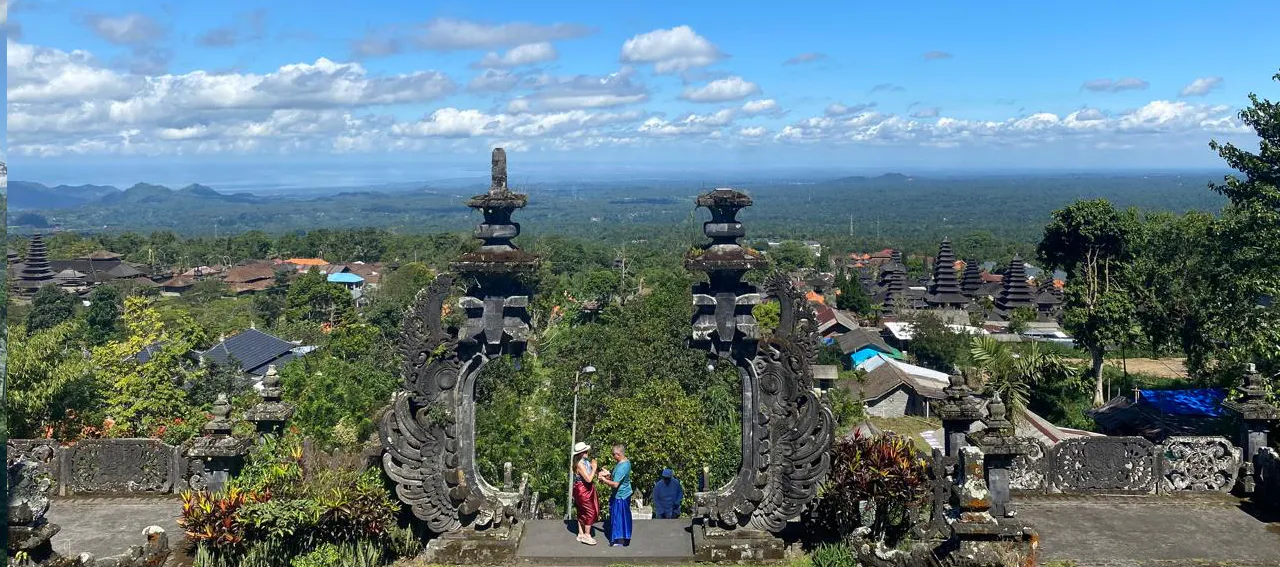
Besakih Temple, also known as the Mother Temple of Bali, is the largest, holiest, and most important Hindu temple complex on the island. Located on the southwestern slopes of Mount Agung, Bali's highest and most sacred volcano, the temple sits at an altitude of approximately 1,000 meters above sea level. From its terraces, visitors can enjoy breathtaking panoramic views of lush rice fields, forests, and the surrounding mountains.
Rather than being a single temple, Besakih is a vast complex consisting of more than 80 individual temples, including Pura Penataran Agung, the main temple dedicated to the Hindu trinity of Brahma, Vishnu, and Shiva. Each temple within the complex has its own unique purpose and is associated with different clans, villages, or religious ceremonies. Throughout the year, hundreds of ceremonies and festivals are held here, making Besakih the spiritual center of Balinese Hinduism.
The history of Besakih Temple dates back more than 1,000 years, although the site is believed to have been a sacred place long before Hinduism arrived in Bali. According to local belief, the temple's origins are connected to the Hindu priest Rsi Markandeya, who came from Java in the 8th century. It is said that he meditated on the slopes of Mount Agung and established the first sanctuary after planting five sacred metals—known as Panca Datu—into the ground. This act is believed to have blessed the land and marked the beginning of Besakih as a holy site.
Over the centuries, the temple expanded into the magnificent complex seen today. Despite facing natural disasters, including the devastating 1963 eruption of Mount Agung, Besakih Temple remained remarkably intact. Lava flows came dangerously close to the temple but narrowly missed the main shrine, an event many Balinese believe was a divine miracle and a sign of the temple's sacred protection.
Today, Besakih Temple is not only a major place of worship but also one of Bali's most iconic cultural and historical landmarks. Pilgrims from all over Indonesia visit to pray and participate in religious ceremonies, while travelers come to admire its magnificent Balinese architecture, intricate stone carvings, peaceful atmosphere, and spectacular mountain scenery. A visit to Besakih Temple offers a unique opportunity to experience the spiritual heart of Bali and gain a deeper understanding of the island's rich traditions and enduring Hindu heritage.