
The Prospects of Long-Stay Tourism in Nusa Penida
Nusa Penida has become one of Bali’s most recognizable island destinations. Its dramatic cliffs, clear waters, white-sand beaches, marine biodiversity, and distinctive local culture attract visitors from around the world. Until recently, tourism on the island was largely dominated by day trips and short overnight visits. However, Nusa Penida has strong potential to develop into a long-stay destination for remote workers, slow travelers, retirees, wellness seekers, and international visitors who want a deeper connection with the island.
A Shift from Short Visits to Meaningful Stays
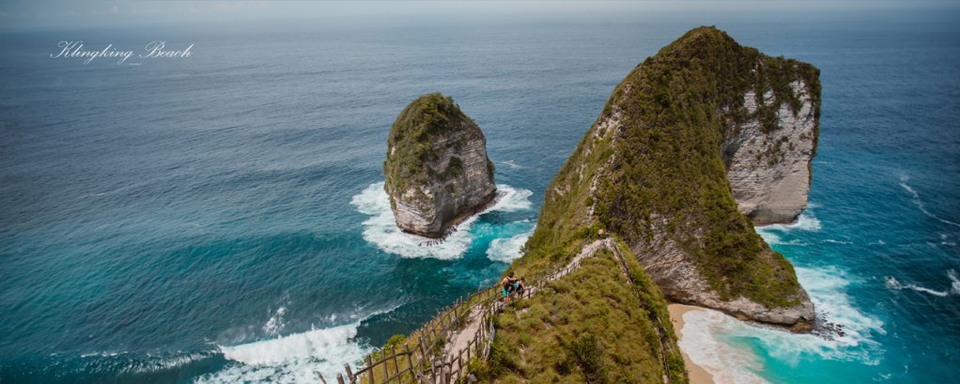
Many tourists visit Nusa Penida for only one or two days, usually focusing on famous attractions such as Kelingking Beach, Diamond Beach, Broken Beach, and Angel’s Billabong. While this model brings a high volume of visitors, its economic benefits can be limited because tourists spend relatively little time and money on the island.
Long-stay tourism offers a different approach. Visitors who remain for several weeks or months require accommodation, food, transportation, laundry services, recreational activities, and other everyday necessities. Their spending is distributed across a wider range of local businesses, allowing more residents to benefit from tourism.
Longer stays may also encourage travelers to explore less-visited villages and attractions. Instead of rushing between popular photo spots, visitors can experience local ceremonies, traditional food, community activities, diving, yoga, and the island’s natural environment at a slower pace.
Strong Natural and Lifestyle Appeal
One of Nusa Penida’s greatest strengths is its natural beauty. The island offers impressive coastal landscapes, quiet rural areas, marine activities, and a more relaxed atmosphere than Bali’s busiest tourism centers.
This environment is highly attractive to people seeking a peaceful lifestyle. Remote workers may appreciate the opportunity to work in inspiring surroundings, while wellness travelers may be interested in yoga, meditation, healthy living, and nature-based experiences. Divers and marine enthusiasts also have strong reasons to stay longer because the waters around Nusa Penida offer numerous dive sites and opportunities to observe marine life.
The island’s location is another advantage. Nusa Penida is accessible from mainland Bali while still offering a sense of separation from crowded urban areas. This combination of accessibility and tranquility could make it competitive with other long-stay destinations in Indonesia and Southeast Asia.
Opportunities for Local Businesses
The growth of long-stay tourism could create significant business opportunities. Accommodation providers can develop monthly rental packages, serviced apartments, eco-lodges, and comfortable villas designed for extended stays. Properties that provide reliable internet, workspaces, kitchen facilities, housekeeping, and transportation assistance will be especially attractive to long-term guests.
Food and beverage businesses can also benefit by offering weekly meal plans, healthy menus, delivery services, and locally sourced products. Other potential services include scooter rentals, coworking spaces, fitness centers, wellness programs, language classes, cultural workshops, and guided community experiences.
Local entrepreneurs could create packages that combine accommodation with activities such as diving, snorkeling, yoga, volunteering, farming, cooking, or environmental conservation. These experiences would help Nusa Penida offer something more meaningful than conventional sightseeing.
Infrastructure Remains a Key Challenge
Despite its potential, the development of long-stay tourism in Nusa Penida faces several challenges. Reliable internet access is essential, particularly for digital professionals. Electricity, clean water, waste management, healthcare, road quality, and transportation must also improve to meet the expectations of long-term residents.
Water availability deserves particular attention because tourism growth can place additional pressure on local resources. Poor waste management could also damage the environment that attracts visitors in the first place. Development should therefore be carefully planned and supported by sustainable infrastructure.
Healthcare access is another consideration. Long-stay visitors, especially families and retirees, need confidence that basic medical services are available and that emergency transportation to mainland Bali can be arranged when necessary.
The Importance of Sustainable Development
Long-stay tourism should not simply lead to more construction. Uncontrolled development could damage coastal areas, increase waste, create water shortages, and reduce the quality of life for local communities.
A sustainable strategy should encourage environmentally responsible accommodation, renewable energy, efficient water use, proper wastewater treatment, and effective waste collection. New buildings should respect local architecture, land-use rules, and the island’s natural landscape.
Local communities must also play a central role in tourism planning. Residents should have opportunities to own businesses, receive professional training, and participate in decisions about development. This will help ensure that tourism income remains within the local economy and that cultural traditions are respected.
Long-stay visitors should also be encouraged to behave as temporary members of the community rather than ordinary tourists. Clear information about local customs, temple etiquette, environmental rules, and responsible behavior can reduce cultural misunderstandings.
Target Markets for Long-Stay Tourism
Several visitor groups could support the long-stay market in Nusa Penida:
Remote workers seeking a quiet and affordable place with reliable internet
Divers who want extended access to the island’s marine environment
Wellness travelers interested in yoga, meditation, and healthy living
Slow travelers who prefer meaningful cultural experiences
Retirees and seasonal residents seeking a peaceful tropical lifestyle
Artists, writers, and creative professionals looking for inspiration
Environmental volunteers and researchers focused on marine or coastal conservation
Each group has different needs. Remote workers prioritize connectivity and comfortable workspaces, while retirees may care more about healthcare, accessibility, and quiet accommodation. Understanding these differences will help businesses design more suitable products and services.
Building a Competitive Long-Stay Destination
To strengthen its position, Nusa Penida needs a clear destination strategy. Government authorities, village leaders, tourism associations, investors, and local businesses should work together to improve infrastructure and establish responsible development standards.
Marketing should present Nusa Penida as more than a collection of scenic attractions. The island can be promoted as a place to live slowly, connect with nature, experience Balinese culture, and contribute to local conservation.
Creating a network of long-stay-friendly businesses would also be valuable. Accommodation providers, coworking spaces, restaurants, transportation companies, activity operators, and healthcare services could collaborate to offer integrated packages. Transparent prices and reliable information would make it easier for visitors to plan extended stays.
Conclusion
The prospects for long-stay tourism in Nusa Penida are promising. The island possesses the natural beauty, peaceful atmosphere, cultural character, and strategic location needed to attract visitors who want to stay for weeks or months.
However, long-stay tourism should be developed carefully. Better infrastructure, reliable digital connectivity, responsible construction, environmental protection, and meaningful community involvement are essential. If these priorities are addressed, Nusa Penida can gradually move beyond its dependence on short visits and become a sustainable, high-quality long-stay destination.
This transformation could increase local income, create more stable employment, support small businesses, and encourage visitors to form a deeper relationship with the island. The best future for Nusa Penida is not necessarily to attract the greatest number of tourists, but to welcome visitors who stay longer, spend responsibly, respect local culture, and help protect the island for future generations.