NUSA PENIDA: THE EXOTIC ISLAND PARADISE OF BALI
Nusa Penida is one of Bali’s most captivating island destinations. Located southeast of mainland Bali and administratively part of Klungkung Regency, the island is renowned for its dramatic landscapes, towering cliffs, pristine beaches, crystal-clear waters, and remarkable marine life.
Together with Nusa Lembongan and Nusa Ceningan, Nusa Penida forms a group of islands that offers visitors a different experience from Bali’s more established tourism areas. Its spectacular natural scenery and distinctive local character make Nusa Penida an attractive destination for travelers seeking to discover another side of Bali.
Spectacular Natural Beauty
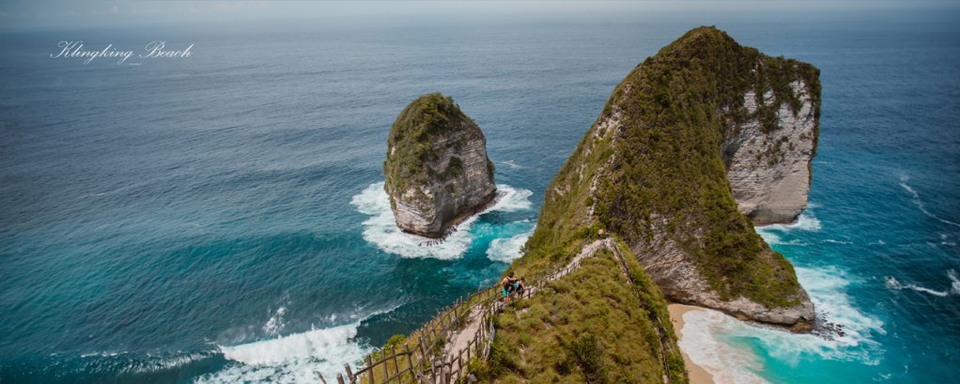
One of Nusa Penida’s most iconic attractions is Kelingking Beach. Its unique cliff formation overlooking the turquoise ocean has become one of the most recognizable images of the island. From the viewpoint above, visitors can enjoy a breathtaking combination of dramatic cliffs, white sandy beach, and the vast blue ocean.
Another remarkable destination is Broken Beach, locally known as Pasih Uug. This natural wonder features a spectacular rock formation with a large arch created by natural erosion, allowing seawater to flow into a circular cove surrounded by cliffs.
Nearby is Angel’s Billabong, a beautiful natural rock pool overlooking the open sea. Its clear water and dramatic coastal surroundings make it another popular attraction on the western side of Nusa Penida.
On the eastern side of the island, Diamond Beach and Atuh Beach offer equally impressive scenery. Surrounded by limestone cliffs and striking rock formations, these beaches showcase the raw and dramatic beauty for which Nusa Penida has become internationally recognized.
A Paradise for Marine Tourism
The beauty of Nusa Penida extends far beyond its coastline. The waters surrounding the island are home to a rich variety of marine life, making Nusa Penida an important destination for snorkeling and scuba diving.
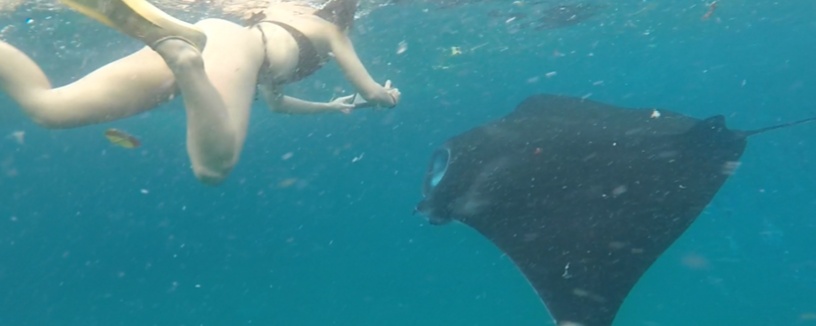
Popular diving and snorkeling locations include Manta Point and Crystal Bay. Visitors may have the opportunity to encounter majestic manta rays in their natural habitat. During certain seasons and under suitable conditions, the waters around Nusa Penida are also known for sightings of the extraordinary ocean sunfish, commonly known as the Mola Mola.
These underwater treasures are an important part of Nusa Penida’s natural heritage. Responsible marine tourism is therefore essential to protect coral reefs, marine ecosystems, and wildlife for future generations.
Spiritual and Cultural Heritage
Beyond its natural beauty, Nusa Penida holds deep spiritual significance for Balinese Hindus. The island is home to several important temples and sacred sites that attract worshippers from across Bali.
One of the best-known sacred sites is Goa Giri Putri Temple, located inside an impressive natural cave. Entering through a relatively small opening, worshippers and visitors discover a vast cave chamber that serves as an important place of prayer and spiritual reflection.
The island’s temples, religious ceremonies, traditional customs, and daily community life provide visitors with an opportunity to experience the spiritual and cultural dimensions of Nusa Penida.
Visitors to sacred places are encouraged to respect local traditions, follow appropriate dress codes, and observe the rules and customs of each temple.
Experiencing Nusa Penida Responsibly
The rapid development of tourism has created valuable economic opportunities for the people of Nusa Penida. Local communities are involved in accommodation, transportation, restaurants, tour operations, guiding services, and many other tourism-related businesses.
However, tourism growth also brings responsibilities. Protecting the island’s environment, culture, and natural resources is essential to ensuring its long-term sustainability.
Travelers can contribute by reducing single-use plastics, disposing of waste responsibly, protecting coral reefs and marine life, respecting local customs, and supporting responsible local businesses.
Safety should also remain a priority. Many of Nusa Penida’s attractions are located around steep cliffs, challenging pathways, and open-ocean environments. Visitors should always follow local safety instructions and consider weather and sea conditions before undertaking outdoor or marine activities.
Nusa Penida: A Treasure Worth Protecting
Nusa Penida represents a remarkable combination of natural landscapes, marine biodiversity, Balinese culture, and spiritual heritage. It offers much more than beautiful locations for photographs—it provides an opportunity to experience the extraordinary relationship between nature, culture, and community.
Visiting Nusa Penida also means sharing the responsibility to preserve its beauty. Through responsible and sustainable tourism, the island can continue to provide meaningful experiences for visitors while supporting the well-being of its local communities.
Nusa Penida is more than a destination—it is one of Bali’s precious natural and cultural treasures, a place to experience, respect, and protect for generations to come.