Description
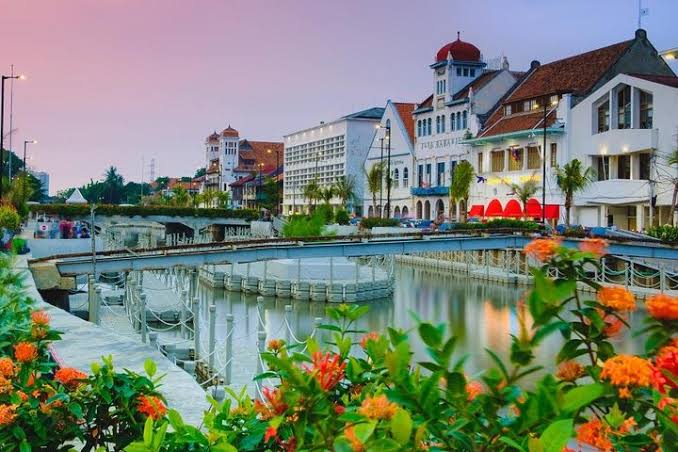
Nostalgic of Batavia Town takes visitors on a journey back to the colonial era, where Jakarta was once known as Batavia, the capital of the Dutch East Indies. Located in the historic Kota Tua (Old Town) area, this destination is famous for its well-preserved Dutch colonial architecture, charming cobblestone streets, and lively public squares that reflect centuries of Indonesian history.
As you stroll through Batavia Town, you'll discover beautiful heritage buildings that have been transformed into museums, cafés, art galleries, and cultural spaces. The area is filled with vintage bicycles, street performers, local artists, and traditional food vendors, creating a unique atmosphere where history blends seamlessly with modern life. Whether you're interested in architecture, photography, or simply experiencing Jakarta's cultural heritage, Batavia Town offers an unforgettable glimpse into the city's past.
Story & History
Batavia was established by the Dutch East India Company (VOC) in 1619, after the city of Jayakarta was conquered under the leadership of Governor-General Jan Pieterszoon Coen. The city quickly became the administrative and commercial center of the Dutch East Indies, serving as one of the most important trading ports in Asia for more than three centuries.
Inspired by Dutch cities such as Amsterdam, Batavia was designed with canals, grand government buildings, warehouses, churches, and public squares. Merchants from Europe, China, Arabia, and various regions of the Indonesian archipelago gathered here, making Batavia a vibrant multicultural trading hub.
Following Indonesia's independence in 1945, the city was officially renamed Jakarta, while the Old Town area, known today as Kota Tua Jakarta, was preserved as an important historical and cultural heritage site. Many of its iconic landmarks, including Fatahillah Square, museums, and colonial-era buildings, have been carefully restored to celebrate the city's rich history.
Today, Nostalgic of Batavia Town offers visitors the opportunity to experience the atmosphere of old Jakarta through its historic architecture, cultural performances, museums, traditional cuisine, and vibrant local community. It is a destination where every building, street, and square tells the fascinating story of Jakarta's transformation from a colonial trading port into the modern capital of Indonesia.